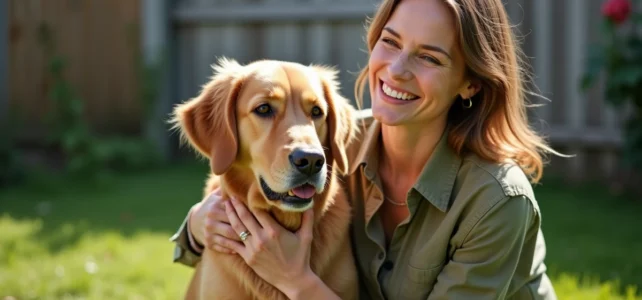
A dog that destroys the sofa while you’re away, a puppy that refuses to walk on a leash, a breed chosen on a whim that doesn’t match your lifestyle: we see these situations every week. Before discussing breeds or training tips, it’s essential to establish practical foundations to avoid these mistakes. This guide gathers the concrete points to check before and after the arrival of your canine companion.
Commitment and Knowledge Certificate and the End of Pet Store Sales: What Changes for Dog Adoption
Since 2024, the sale of dogs and cats in pet stores is prohibited in France. This regulatory change alters the acquisition process: you now go through a registered breeder, a shelter, or an association.
Another obligation to be aware of: the commitment and knowledge certificate. Before any adoption or purchase, the future owner signs this document, which certifies that they are aware of the animal’s needs and the commitment for a lifespan that can reach ten to fifteen years.
At the same time, there is a significant decrease in the purchase of purebred puppies in favor of adoption from shelters. More and more French families are choosing to adopt rather than buy, in a logic of animal welfare and rejection of circuits deemed unethical. If you’re exploring available options, the dog page on Amazing Pet Place gathers useful resources to guide your search according to your situation.
This evolution encourages a different way of thinking. We no longer choose a dog based on a photo: we first assess its living environment, annual veterinary budget, and the actual time we can dedicate to daily outings.
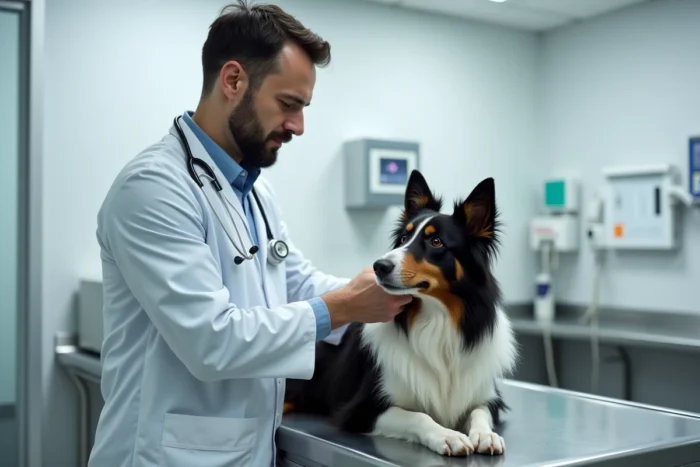
Choosing a Dog Breed Suitable for Your Actual Lifestyle
The classic trap is to fall for an Australian shepherd or a husky without considering the consequences. These dogs have physical and mental exercise needs that far exceed a walk around the block in the evening.
Small Size in an Apartment: Not Always the Right Reflex
It’s often thought that a small dog is better suited for an apartment. A toy spitz or a Cavalier King Charles does indeed adapt well to a small space. However, a Jack Russell Terrier, despite its small size, is full of energy and does not handle inactivity well.
Size does not determine the level of activity required. A medium-sized but sporty Brittany spaniel will need far more outings than a French bulldog that is twice its size.
Concrete Criteria Before Making a Decision
- The available outing time each day: some breeds (Belgian shepherd, retriever) require at least one to two hours of daily exercise, while others are satisfied with shorter walks
- The presence of young children: breeds like the golden retriever or Cavalier King Charles are known to be tolerant, but each dog remains an individual, and experiences vary on this point
- The health budget: brachycephalic breeds (French bulldog, pug) often have respiratory vulnerabilities that increase veterinary costs in the long run
- Tolerance to solitude: a dog left alone for eight hours a day without stimulation will develop destructive behaviors, regardless of its breed
Dog Training: The Most Common On-the-Ground Mistakes
There are many contradictory pieces of advice on training. In practice, a few simple principles make the difference between a balanced dog and an unmanageable one.
Consistency among household members is more decisive than the chosen method. If one person allows the dog on the couch and another forbids it, the dog does not understand the rule. The result: it constantly tests.
Puppy Socialization Before Four Months
The socialization window closes early. A puppy that has not been exposed to other dogs, urban noises, children, and varied environments before the age of four months will have much more difficulty managing these stimuli later.
In practice, take the puppy to different contexts each week: market, park, busy street. Do not force it; let it observe from a distance and reward calmness.
Leash and Recall: Two Fundamentals to Work on Priority
Loose-leash walking and reliable recall are the two skills that determine the quality of life for the owner-dog duo. Without a solid recall, walking off-leash remains risky in open areas, and regulations require leashes in most urban public spaces.
To work on recall, start in a closed environment without distractions, then gradually increase the difficulty. Always reward the return, even when the dog takes time to come back.

Dog Health: Daily Monitoring Points
Beyond vaccinations and sterilization, daily canine health relies on simple actions that many owners neglect.
Dental check-ups are the often-overlooked aspect of dog care. Oral health issues affect the majority of adult dogs and can lead to widespread infections. Regular brushing or appropriate chew treats significantly reduce this risk.
- Check ears weekly, especially in breeds with drooping ears (spaniel, cocker): ear infections are common and painful
- Monitor weight with a monthly weigh-in: excess weight reduces lifespan and exacerbates joint problems
- Adjust diet according to the dog’s age and actual activity level, not what the breed “should” do
A often underestimated point concerns mental activity. A bored dog develops stress, compulsive licking, or reactive aggression. Occupation toys, scent sessions, or light agility are sufficient to meet this need in most breeds.
Choosing a dog commits you for a decade or more. The breed, living environment, available time, and health budget form a whole that should be evaluated before adoption, not after. A well-prepared, well-socialized canine companion that is regularly monitored by a veterinarian remains the best guarantee of a peaceful coexistence for the whole family.